
New mom resources
Resources for expecting moms
Signs of emergency

Call your doctor immediately if anything in this list happens to you:
- Baby stops moving
- Heavy vaginal bleeding (like a period)
- Abdominal pain
- High fever (over 100.4°F)
- Severe headache
- Nausea and vomiting
- Blurry vision
Staying in the best health
Annual health / well woman exams keep you in the best health and may include:
- Chest / breast exam
- Pelvic exam
- Pap smear
- Routine health screenings
- Any needed cancer screenings
- The chance to ask your doctor about any health concerns you have
Tests during pregnancy
- Urine test
- Checks for infections, diabetes, and other potential issues
- Blood tests
- Blood type
- Anemia (low iron)
- HIV, hepatitis, syphilis, and tuberculosis
- Rubella (German measles) immunity
- Cystic fibrosis
- Genetic testing (if needed)
- Pap smear
- Checks for cervical cancer (if due)
- Weight and blood pressure tests
- Ultrasound
- Heartbeat checks
- Glucose test (24 to 28 weeks)
- Checks for gestational diabetes (high blood sugar during pregnancy)
- Group B strep test (35 to 37 weeks)
You will have appointments every 4 weeks for your first 28 weeks or pregnancy, every 2 weeks until 36 weeks, and then every week until you give birth. Appointments may vary depending on your pregnancy.
Common pregnancy complaints and solutions
- Morning sickness
- Caused by hormone changes
- Eat small meals, drink ginger tea, and avoid strong smells
- Constipation
- Caused by hormone changes
- Eat high-fiber foods like fruits, raw vegetables, whole grains, nuts, and dried fruits, and drink plenty of water
- Leg cramps
- Caused by hormone changes
- Drink plenty of water and elevate your feet
- Tiredness
- Caused by your body working hard
- Rest often and nap when possible
- Back pain
- Caused by your growing belly which strains your muscles
- Take warm baths, use a pregnancy pillow, do gentle stretches, and use a maternity belt
- Heartburn
- Caused by the baby pushing on your stomach
- Eat small meals, avoid spicy food, and sleep propped up
- Swollen feet
- Caused by extra fluid in your body
- Put your feet up, drink plenty of water, wear comfy shoes, and use compression socks
- Frequent urination
- Caused by the baby pressing on your bladder
- Take time to empty your bladder fully when urinating
Food
Foods to eat daily
- 5 servings of fruits and vegetables (bananas, carrots, apples)
- Protein-rich foods (eggs, beans, chicken, well-cooked fish)
- Whole grains (brown rice, whole wheat bread, oatmeal)
- Dairy products (milk, cheese, yogurt)
- 8 to 10 cups of water
Foods to avoid
- Raw fish (sushi) and undercooked meat
- Soft unpasteurized cheese (feta, brie, camembert)
- No more than one small cup of coffee per day
- Alcohol
Vitamins and vaccines
Vitamins and vaccines
- Take prenatal vitamins with folic acid to help prevent birth defects
- Get the flu vaccine early during flu season (fall)
- Tdap (tetanus, diphtheria, and pertussis) vaccine at 28 to 36 weeks
- RSV (respiratory syncytial virus) vaccine at 32 to 36 weeks
Additional tips
- Take a daily walk
- Do Kegel exercises
- Take childbirth classes
- Avoid anything that causes stress when possible
- Ask your doctor any questions you may have
Safe medications
Cough / cold
- Saline nasal drops
- Robitussin (plain)
- Tylenol
- Sudafed (only in the second and third trimesters)
Allergies
- Claritin (daytime)
- Benadryl (at bedtime)
Constipation
- Colace
- Metamucil
- Senokot
- Fibercon
- Prune and apricot juice
- Bran cereal
Back pain / headache
- Tylenol
Yeast infection
- Monistat
Hemorrhoids
- Preparation H
- 1% hydrocortisone cream
- Tucks witch hazel
- Ice
Diarrhea
- Imodium
- BRAT diet (bananas, rice, apple sauce, toast)
Morning sickness
- Vitamin B6 (25mg) + doxylamine (Unisom)
- Dry crackers
- Ginger ale
- Ginger tea
- Ginger tablets
GERD / acid reflux
- Mylanta
- Maalox
- Tums
- Pepcid (20mg daily)
- Zantac (50mg daily)
In addition to these remedies and medications, be sure to drink plenty of water to stay hydrated.
Your baby’s growth
First 3 months
- Size of a grape at 8 weeks
- Heart starts beating
- Arms and legs form
- You may feel tired or sick
4 to 6 months
- Growth from the size of an orange to a banana
- Kicking may start
7 to 9 months
- Lungs fully develop
- Baby turns head-down (ready for birth)
- You may feel back pain and have trouble sleeping
Getting ready
Hospital bag checklist
- Comfortable clothes and underwear
- Slippers and socks
- Toothbrush
- Hairbrush
- Health insurance card
- ID
- Phone charger
Baby items checklist
- Two or three newborn onesies
- Swaddle blanket
- Car seat (installed before leaving the hospital)
Emergency kit
Expecting parents and parents of infants should be prepared for an emergency by having an emergency kit ready. The kit should have flashlights, batteries, a first-aid kit, and at least a three-day supply of food and water. It is best to keep all your supplies together in case you must leave your house quickly, such as during a hurricane.
If you are pregnant, your kit should also have:
- Nutritious snacks like protein bars, nuts, dried fruit, and granola
- Maternity and baby clothes
- Prenatal vitamins and other medications
- Extra bottled water
- Emergency birth supplies
- Clean towels
- Sharp scissors
- Infant bulb syringe
- Medical gloves
- Two white shoelaces
- Sheets and sanitary pads
- Closed-toe shoes
If you have an infant, your kit should also have:
- Thermometer
- Copies of vaccination records
- Antibacterial wipes and hand sanitizer
- Dish soap
- Portable crib
- Baby food in pouches, or jars and disposable feeding spoons
- Two baby blankets
- Extra baby clothes and shoes
- Baby sling or carrier
- Diapers, wipes, and diaper rash cream
- Medications and infant pain reliever, such as ibuprofen or acetaminophen
- Small disposable cups
- Ready-to-feed formula in single-serving cans or bottles
Choosing a pediatrician
When you reach your seventh month of pregnancy, your OB team at Sun River Health can help you choose and schedule an appointment to meet with your baby’s pediatrician.
Resources for new moms
What to expect at doctor's visits
First visit (6 to 8 weeks)
- Review of your personal and family medical history
- Blood pressure, weight, and height measurements
- Breast and pelvic exams (if needed)
- Urine test and lab work
- Ultrasound (unless scheduled for a later visit)
- Discussions on nutrition, exercise, prenatal vitamins, medications to avoid, and lifestyle recommendations
- Confirm due date
Monthly visits (first 6 months)
- Listen to your baby’s heartbeat (after 10 to 12 weeks)
- Measure belly size and check your baby’s growth
- Discuss symptoms like nausea, tiredness, or pain
- Order your breast pump and blood pressure monitor
- Discuss future birth control options
Monthly visits (7 to 9 months)
- Check the baby’s position
- Get all needed vaccines
- Discuss labor signs and when to go to the hospital
- Pelvic exam
- Plan a hospital tour and book prenatal / birthing classes
- Discuss your birth plan
- Meet with your baby’s pediatrician
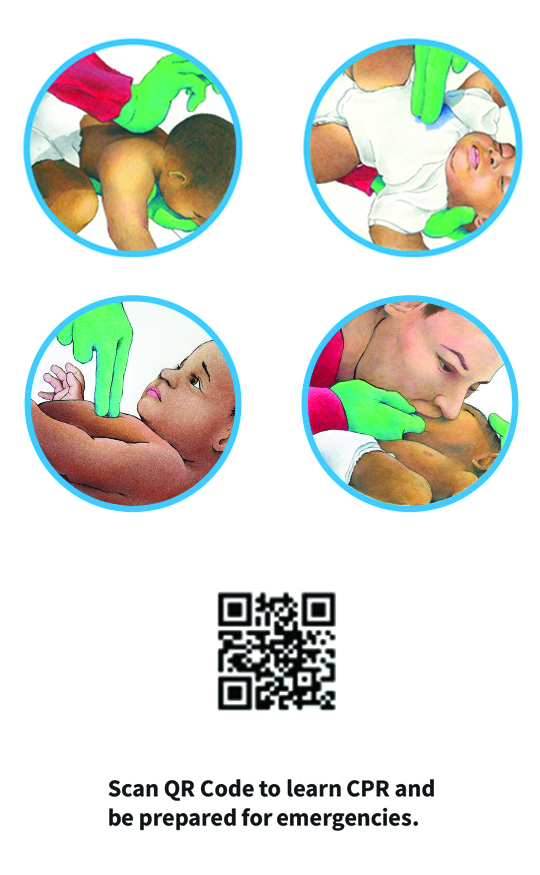
Infant choking
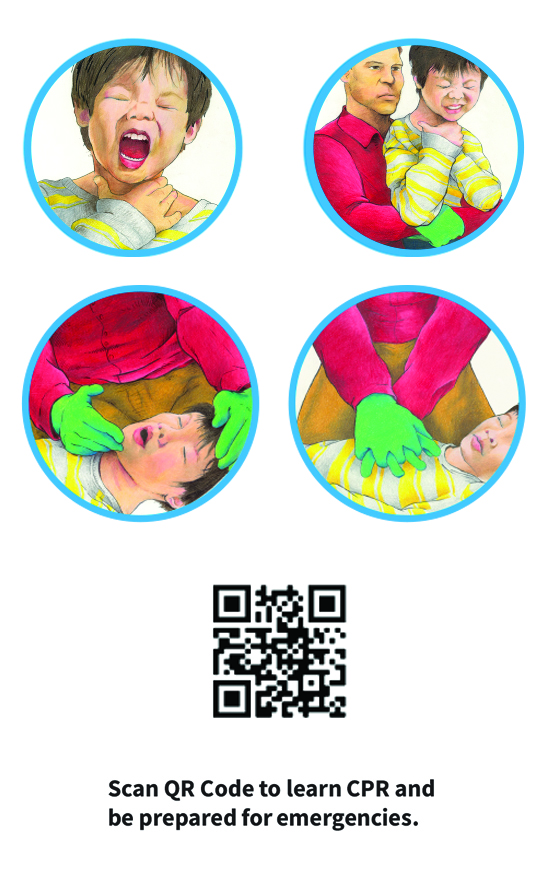
Child choking
Breastfeeding benefits
For baby:
- Breast milk has the right amount of fat, sugar, water, protein, and minerals needed for a baby's growth and development. Breast milk reduces risk of diabetes
- Breast milk is easier to digest than formula, and breastfed babies have less gas, fewer feeding problems, and less constipation
- Breastmilk contains antibodies that protect infants from certain illnesses, such as ear infections, diarrhea, respiratory illnesses and allergies
- Breastfed infants have a lower risk of sudden infant death syndrome (SIDS)
- If your baby is born preterm, breastmilk can help reduce the risk of any of the short term and long term health problems
For mom:
- Breastfeeding triggers the release of a hormone called oxytocin that causes the uterus to contract and may decrease the amount of bleeding you have after giving birth
- Breastfeeding burns as many as 500 extra calories each day, which may make it easier to lose the weight you gained during pregnancy
- Women who breastfeed longer have lower rates of type 2 diabetes, high blood pressure and heart disease
- Women who breastfeed have lower rates of breast cancer and ovarian cancer
WIC information:
If you are enrolled in WIC, please note that the lactation consultant's hours vary. For more information, please call one of our many WIC locations or scan the QR code to find a WIC center near you
Milestones
Your child's early development is a journey. Use this map of milestones to know what to look for along the way.
Prenatal:
- Choose and meet your pediatrician
6 months:
- Schedule a well-child visit
- Copies sounds
- Begins to sit without support
- Likes to play with others, especially parents
- Responds to own name
- Strings vowels together when babbling ("ah," "eh," "oh")
- Rolls from tummy to back
12 months:
- Schedule a well-child visit
- Uses simple gestures such as shaking head for "no" or waving "bye bye"
- Copies gestures
- Responds to simple spoken requests
- Says "mama" and / or "dada"
- Pulls up to stand
- Walks, holding on to furniture
15 months:
- Schedule a well-child visit
- Plays simple pretend, such as feeding a doll
- Points to show others something interesting
- Takes a few steps without help
- Uses fingers to feed themselves food
18 months:
- Schedule a well-child visit
- Says several single words
- Walks alone
- Knows what ordinary things are for; for example, telephone, brush, spoon
- Puts hands out for you to wash them
- Climbs on and off a couch or chair without help
24 months:
- Schedule a well-child visit
- Says sentences with 2 to 4 words
- Gets excited when with other children
- Follows simple instructions
- Uses more gestures than just waving and pointing, like blowing a kiss or nodding yes
- Tries to use switches, knobs, or buttons on a toy
30 months:
- Schedule a well-child visit
- Kicks a ball
- Points to things or pictures when they're named
- Names things in a book when you point and ask, "What is this?"
- Follows two-step instructions like "put the toy down" and "close the door"
- Jumps off the ground with both feet
3 years:
- Schedule a well-child visit
- Copies adults and friends (like running when other children run)
- Carries on a conversation using 2 to 3 sentences
- Climbs well
- Plays make-believe with dolls, animals, and people
- Shows affection for friends without prompting
4 years:
- Schedule a well-child visit
- Hops and stands on one foot for up to 2 seconds
- Would rather play with other children than alone
- Tells stories
- Draws a person with 2 to 4 body parts
- Plays cooperatively
Baby care
Your recovery:
- Rest as much as possible – try to sleep when your baby is sleeping
- Eat healthy meals – ask family members or friends to help cook
- Talk to someone if you’re feeling emotional – this is very normal
Newborn care:
- Breastfeed 8 to 12 times a day or feed the baby formula every 2 to 3 hours
- Burp the baby after feeding
- Put your baby on their back when sleeping
- No blankets or toys in the crib
- Schedule a first check-up with a pediatrician two or three days after birth
- Schedule your baby’s first vaccines at two months
Helpful resources:
- WIC program – free healthy food
- SNAP (food stamps) – helps to buy groceries
- Medicaid – free / low-cost health insurance
Things to remember:
- Go to all the doctor’s appointments scheduled for you and your baby
- Eat healthy foods
- Ask for help when needed
- In case of an emergency, call 911
- Enjoy every moment of this special time with your baby
Safe medications
Cough / cold:
- Saline nasal drops
- Robitussin (plain)
- Tylenol
- Sudafed (only in the second and third trimesters)
Allergies:
- Claritin (daytime)
- Benadryl (at bedtime)
Constipation:
- Colace
- Metamucil
- Senokot
- Fibercon
- Prune and apricot juice
- Bran cereal
Back pain / headache:
- Tylenol
Yeast infection:
- Monistat
Hemorrhoids:
- Preparation H
- 1% hydrocortisone cream
- Tucks witch hazel
- Ice
Diarrhea:
- Imodium
- BRAT diet (bananas, rice, apple sauce, toast)
Morning sickness:
- Vitamin B6 (25mg) + doxylamine (Unisom)
- Dry crackers
- Ginger ale
- Ginger tea
- Ginger tablets
GERD / acid reflux
- Mylanta
- Maalox
- Tums
- Pepcid (20mg daily)
- Zantac (50mg daily)
In addition to these remedies and medications, be sure to drink plenty of water to stay hydrated.
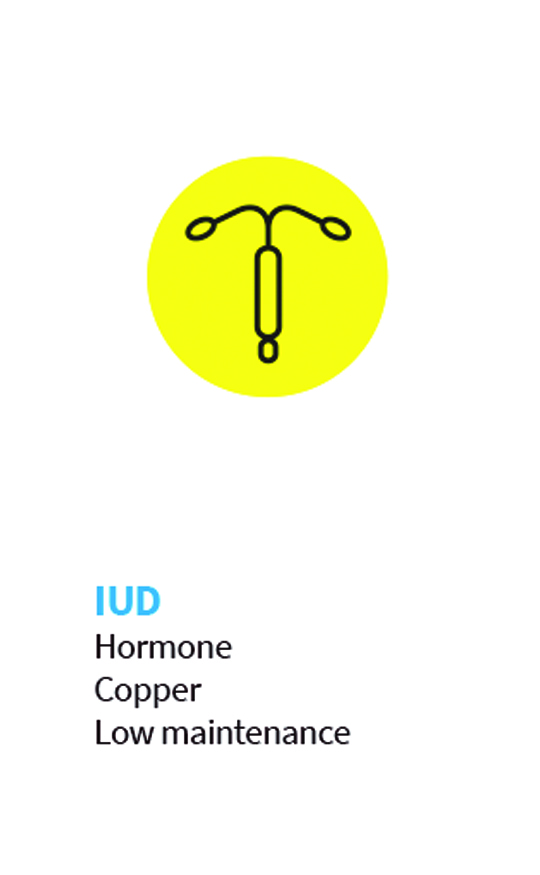
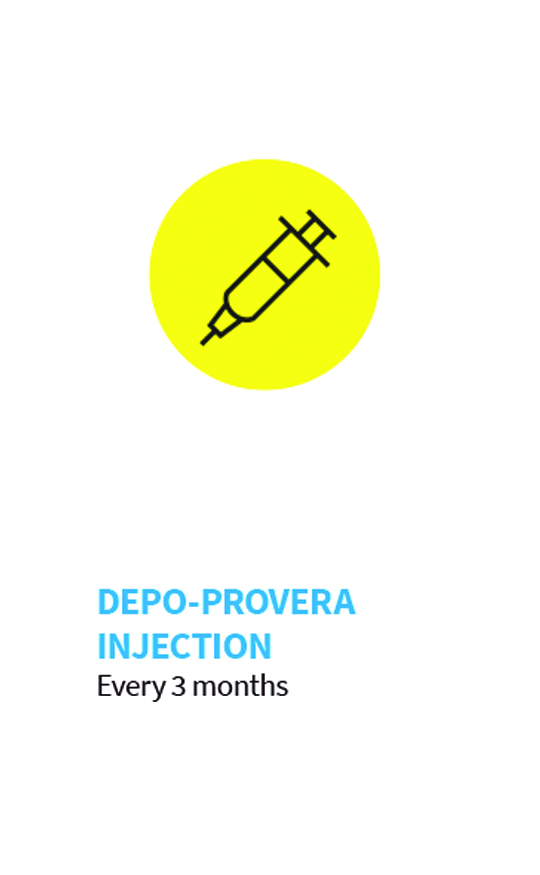
Birth control







Partner / support person resources
Helping an expecting parent prepare
During pregnancy:
- Attend childbirth classes together to learn about labor, breathing techniques, and how to advocate for a new mom
- Set up the nursery
- Build the crib
- Install the car seat
- Pack the hospital bag
- Discuss parenting plans
Don’t wait until the last minute to prepare for the baby’s arrival. Help your partner make important decisions about baby care.
During labor and delivery:
- Know the birth plan
- Does she want an epidural?
- Does she want a natural birth?
- Be her advocate
- Stay calm and breathe with her
- Encourage her
- Avoid becoming impatient
After the baby is born:
- Take shifts with the baby (diaper changes, etc.)
- Make sure she gets her rest – visitors can wait
- Watch for signs of postpartum depression. If she seems sad or distant, encourage her to talk to her doctor about it
- Don’t expect life to go back to normal right away
Final advice for partners:
- Your support matters more than you think
- Ask her what she needs – don’t assume
- This period is temporary, so enjoy it and get through it together
Supporting an expecting parent
Pregnancy isn’t just a journey for the mother – it’s a team effort! Partners and other family members help to keep mom healthy, reduce stress, and prepare for the baby’s arrival.
Emotional support:
- Listen – pregnancy hormones may cause mood swings. Let mom vent without trying to fix everything
- Reassure her – tell her how great she’s doing
- Be patient – if she’s tired or irritable, don’t take it personally
Practical help:
- Take over household chores – cooking, cleaning, laundry, etc.
- Help with meals – make sure she is eating healthy and drinking plenty of water
- Go to doctor’s appointments with her
Things to avoid:
- Don’t tell her that she’s overreacting
- Don’t compare her pregnancy to other pregnancies
- Don’t complain about helping
- Don’t make her feel guilty for resting
Listening to an expecting parent
Listening and acting quickly could help save her life:
- Learn the urgent maternal warning signs
- Listen to her concerns
- Encourage her to seek medical help. If something doesn't feel right, she should reach out to her provider. If she is experiencing an urgent maternal warning sign, she should get medical care right away. Be sure that she says she is pregnant or was pregnant within the last year
- Take notes and help her talk to a healthcare provider to get the support she needs.
- Support her through follow-up care.
Urgent maternal warning signs:
If someone who is pregnant or was pregnant within the last year has any of these symptoms, she should get medical care immediately:
- Severe headache that won't go away or gets worse over time
- Dizziness or fainting
- Thoughts about harming yourself or your baby
- Changes in your vision
- Fever of 100.4°F or higher
- Extreme swelling of your hands or face
- Trouble breathing
- Chest pain or fast-beating heart
- Severe nausea and throwing up (not like morning sickness)
- Severe belly pain that doesn't go away
- Baby's movement stopping or slowing down during pregnancy
- Vaginal bleeding or fluid leaking during pregnancy
- Heavy vaginal bleeding or fluid leaking that smells bad after pregnancy
- Swelling, redness or pain of your leg
- Overwhelming tiredness
What to say to your partner during pregnancy:
- It's hard to tell what's normal with everything that's changing right now. It's better to check if there's anything you are worried about
- It's important that we share this information with your doctor and make sure everything is okay
- I am here for you. Let's talk to a healthcare provider to get you the care you need
What to say after birth:
- It's normal to feel tired and have some pain after giving birth, but you know your body best. If something is worrying you, you should talk to your doctor
- Although your new baby needs a lot of attention and care, it's important to take care of yourself, too
- You are not alone. I hear you. Let's talk to a healthcare provider to get you the care you need