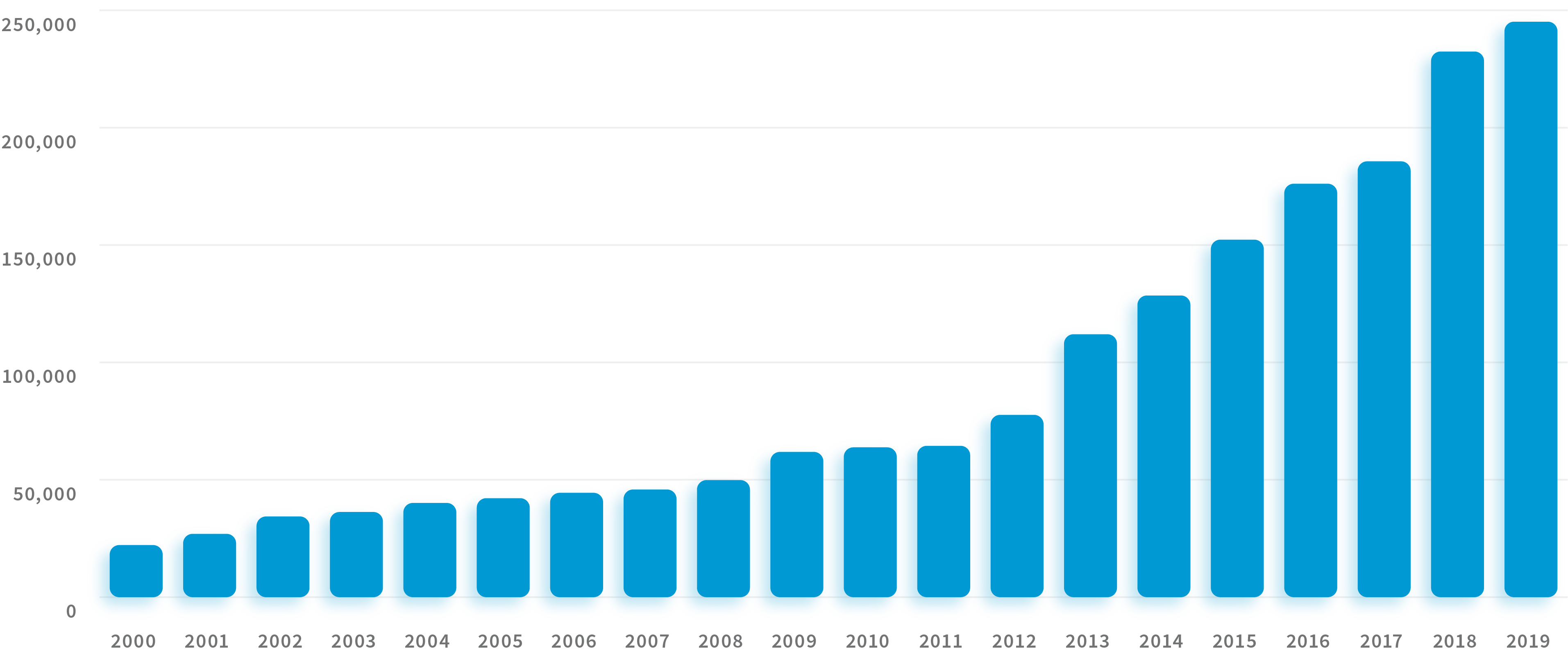
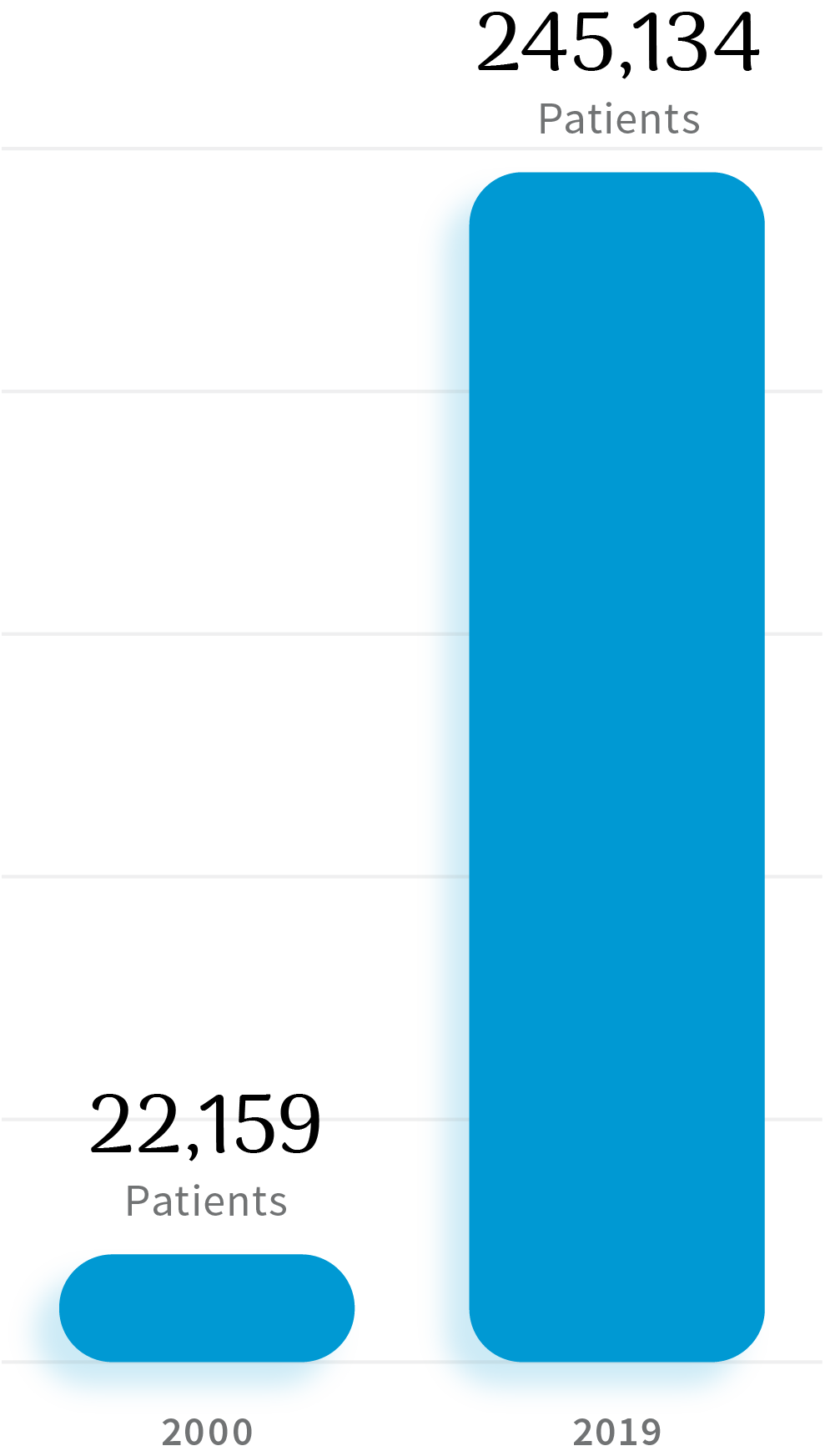
The story of Sun River Health goes back longer than most people think. By the end of the 1960s, black Americans still did not have equal access to healthcare. Here in Peekskill, we recognize this vital need in our community. Here was a dream being brought to fruition. And it was to allow us to be able to go and look for a site to house our first community health center. >> You say you can't fight to the home. Don't believe a word of it. We fought to the home. >> And I'm never picking up that mic and I was so frightened, I go, ha. >> So the officials, whoever, should say to us, damn, those women fight hard. >> [LAUGH] >> Because that's what we do. >> And from the beginning, we had an incredible team of leadership, including young leadership. >> 50 years ago, I was a VISTA volunteer and came to New York, assigned to work at legal services and placed on the board of directors of the Mount Vernon Neighborhood Health Center. Not long after, working with the Department of Health, I attended the ribbon cutting of the Peekskill Health Center and watched as Reverend Phillips and the other founders cut the ribbon at the grand opening in July of 1975. Well, as you suspect, I fell in love with community health centers. Now it's been over 45 years of the two of us working together for the betterment of our patients and communities. And as you can see, I'm still here. >> So you'll come in and we're hoping to have video balls here. So when you come in, you're- >> One of the big decisions that the health center had to make was, were we just gonna be the Peekskill area health center or something else? The board really adopted a standard that if we can help other communities and other people without hurting the basic structure of the health center, that it was our duty to do that. So if we could keep watering the tree, we could keep adding branches as long as everything continued to be healthy and grow. And that's happened over and over again. And most of our expansions have been where communities have approached us to come and help them. >> One, two, three. >> Yay. >> [APPLAUSE] >> Rural communities and farm workers began telling us about what they needed and how little access they had to healthcare. The lack of affordable housing causing homelessness and the influx of new immigrant populations doubling up in rural and urban settings ignited us to help and expand health center access even more. In 1975, we had 12 staff, one site, and we served 500 people. Now we're nearly 50 health centers with nearly 2,000 staff serving 250,000 patients in communities throughout the Hudson Valley, Long Island, and New York City. >> So our work in Long Island really started with our commitment to migrant health. We were caring for migrant seasonal farm workers throughout Suffolk County, through a migrant voucher program. And it was through that that we really got to know the system of county health centers. When the state needed someone to partner with to say, how are we going to preserve these community health centers? They called Sun River Health and we were really happy to join in that conversation. >> One by one, we began to bring on the health centers, starting with Corum, and then ultimately ending with Southampton, covering all of Suffolk County from its most eastern end of both the north and south forks to its western border with Nassau County. >> What's so exciting is when the county system of health centers was married with the federally qualified health center model of Sun River Health. That's when you get the magic that is our Suffolk County Health Center program that is caring for nearly 50,000 patients. >> We began to explore with Bright Point Health and established FQHC, but previously a homeless provider. They came to us and asked if we might consider being a partner in a merger. It was the first merger of such large scale that had ever been accomplished between community clinics, between FQHCs. But most importantly, it really expanded our reach and scope with mental health services. And therefore very complimentary in rounding out our approach to holistic care for homeless populations, mental health populations, primary care populations. It also had the added benefit of then bringing some of Sun River Health's expertise in a variety of areas, finance, administration, operations to bring complimentary services and approaches to delivery. >> The growth that has happened for us over these years is responsive to what we're hearing from our partners and from the community. It is the urgency and the passion of communities who know that they want a healthcare partner that really understands them and is in it with them. And that's what our mission's about. That's why we do what we do is to be in that connection. And growth is hard, but we continue to grow because there is something so mission critical to being in that partnership with communities and with patients to say there is a way to do healthcare and to feel like you're a part of that. >> We have found it so important to pay attention to the why. You need to reassure new staff that we share their community health values. And you need to reassure legacy staff that our new team members are cut from the same cloth. >> The common thread, of course, is the patient care. Caring for patients and communities and families first. When that is front and center, everything else can follow. Of course, that sounds simpler than it is. >> In medical school, doing rotations at a public hospital, I fell in love with primary care. You take care of a whole person and you build relationships and partner with the patient. You have a long term continuity relationship that really matters to me. At Sun River Health, we embrace the role of primary care. That whole person continuity care that engages patients and helps them navigate our overly complex healthcare system. >> I've been with Dr. Ahmed for about ten years. My husband and my two daughters, we all come here and see Dr. Ahmed. Sun River is almost like a one stop shop. So not only could I get my blood work done, I could see the podiatrist, I could see the gynecologist, you could see a psychologist, a social worker. Everything is right here, almost like a community helping an individual or family. >> Primary care really centers the services our patients need and helps contain costs. We identify best practices to improve our patient's health through our relationships in our accountable care organizations and our independent practice associations. And our care teams have relationships with hospitals, specialists, and community-based organizations that really help meet our patients' social and financial needs. And our own affiliates play a huge role in that too. >> Once I started working with the board, I discovered that the doctors were as dedicated as we were to helping the people. We had a doctor when HIV was very prevalent at that time. She was determined she was not turning a single person away. And that is the kind of attitude that we have had from the very beginning. We take care of everybody. When we have picked up satellites all over, we have been blessed to find that the doctors, the nurses, everybody cares about the people. And that's the most important part. >> We have tremendous gratitude and admiration for our affiliate organizations who bring incredible depth to our care through their direct work in the social determinants of health. Community Health Action of Staten Island, the Caribbean Women's Health Association, the Warwick Area Farmwork Organization, and the Housing Preservation Company all provide social supports in our communities. And finally, in uniting our organization throughout our three regions, a defining moment came in 2020 when we joined together under our new single identity, Sun River Health. >> We're still on the journey. We began so long ago. We have seen so clearly how access to excellent health care is the cornerstone of a just society. We're here because excellent health care for all is part of what liberation means. We're here to give everyone the care they need and the respect they deserve.